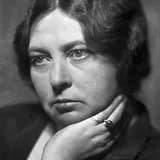
Death of Sigrid Undset in Lillehammer, ending the life of the Nobel Prize–winning novelist.
10 June 1949 marked the death of Sigrid Undset in Lillehammer, Norway. Her death closed the life of a writer whose novels had become central to Norwegian and international literature, especially Kristin Lavransdatter, which remains among the great historical novels of the modern era.
By the time of her death, Undset had already secured a durable legacy: she had expanded the possibilities of the novel by blending historical research, moral seriousness, and intimate psychological observation. She had also become an important public figure through her wartime opposition to Nazism and her postwar return to Norway. Her death therefore mattered not only as the end of a literary career but also as the passing of a major moral voice in twentieth-century Europe.
Her legacy endured in several ways. She demonstrated that women writers could command the highest international honors while writing about faith, family, history, and female experience without compromise. She also helped define how medieval Scandinavia would be imagined by later readers. Her work continued to influence novelists, historians, and readers long after her death, confirming her status as one of Norway’s most significant cultural figures.