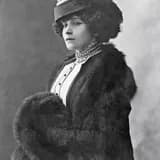
Sidonie-Gabrielle Colette was born in the Burgundy village of Saint-Sauveur-en-Puisaye, France, on 28 January 1873.
Sidonie-Gabrielle Colette was born on 28 January 1873 in the small Burgundian village of Saint-Sauveur-en-Puisaye, in the Yonne department of France. She was the fourth and last child of Jules-Joseph Colette, a former army officer who had lost a leg in the Italian campaign, and Adèle Eugénie Sidonie Landoy, known as ‘Sido,’ a freethinking and nature-loving woman who would become a lasting influence on her daughter's writing.
Colette's childhood in the countryside, surrounded by gardens, animals, and her mother's unconventional intellectual independence, shaped the sensory, nature-infused prose that would later define her literary voice. Though the family fell into financial difficulty during her adolescence, forcing the sale of their home, Colette's early rural years provided the emotional and imaginative wellspring for later autobiographical works such as La Maison de Claudine (1922) and Sido (1930).
This birth in provincial France, far from the literary salons of Paris, is historically significant because it marked the beginning of the life of a woman who would become one of the most celebrated and boundary-breaking French writers of the twentieth century, challenging conventions of gender, sexuality, and authorship throughout her long career.