← All women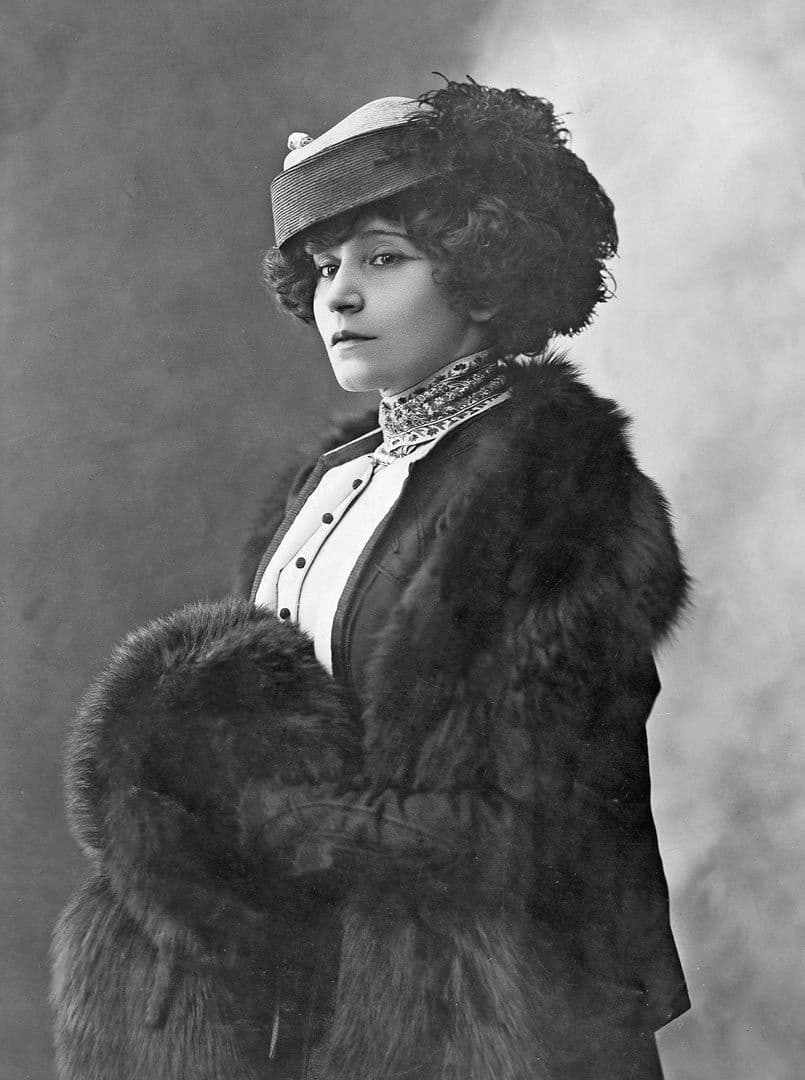
French · Literature · Arts
Sidonie-Gabrielle Colette
January 28, 1873 – August 3, 1954
Early Life and Background
Sidonie-Gabrielle Colette was born on January 28, 1873, in Saint-Sauveur-en-Puisaye, France. She was the daughter of Jules-Joseph Colette, a retired military officer, and Adèle Eugénie Sidonie Colette, known as Sido, who was a significant influence on Colette's intellectual curiosity and independence. Colette's upbringing in a provincial village provided her with a deep appreciation for nature and rural life, setting a rich context for her later works.
Career Beginnings and Development
Colette's literary career began in Paris after her marriage to the writer Henry Gauthier-Villars, known as Willy, in 1893. Under Willy's name, she wrote the "Claudine" novels, which were initially published as her husband’s work due to societal barriers suppressing women's names in literature. These novels garnered significant popularity, establishing her as a skillful writer.
Major Works and Accomplishments
Embracing independence after her divorce from Willy, Colette went on to write several acclaimed novels under her own name, including "Chéri" (1920) and "The Ripening Seed" (1923). Her most famous work, "Gigi" (1944), later adapted into an award-winning film and stage production, showcased her deft narrative style and exploration of complex female characters and society's expectations.
Awards, Honors, and Recognition
Colette was inducted into the Belgian Royal Academy in 1935, and in 1945, she became the first woman invited to join the elite Goncourt Academy. Her contributions to literature were further recognized by the French government when she was made a Grand Officer of the Legion of Honour in 1953.
Personal Life and Relationships
Colette’s personal life was as colorful as her literature. After divorcing Willy, she married Henry de Jouvenel, with whom she had her only child, a daughter named Colette Renée de Jouvenel. Colette's romantic life, which included affairs with both men and women, was often a subject of public fascination and mirrored the themes of sexual freedom and exploration prevalent in her works.
Legacy and Historical Impact
Colette's exploration of feminist themes and her depiction of strong, independent women established her as a pioneering figure in modern literature. Her works continue to influence writers and intrigue readers, elevating her to the status of a cultural icon in France and beyond.
Later Life and Death
Health issues marked Colette's later years, but her productivity remained undeterred. She continued writing up until her death on August 3, 1954, in Paris, France. Colette was the first woman in France to be given a state funeral, reflecting her monumental impact on French culture and literature.
Dated achievements
3 indexed.
- Jan281873Literature
Birth of Colette in Saint-Sauveur-en-Puisaye
Sidonie-Gabrielle Colette was born in the Burgundy village of Saint-Sauveur-en-Puisaye, France, on 28 January 1873.
View details Colette - Wikipedia - Jan231900Literature
Publication of Claudine à l'école under her husband's name
Colette's first novel, Claudine à l'école, was published under her husband Willy's name alone, launching the wildly popular Claudine series.