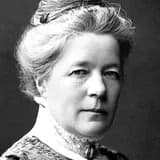
On 10 December 1909, Selma Lagerlöf received the Nobel Prize in Literature in Stockholm, the first woman and first Swedish author to do so.
On 10 December 1909, Selma Lagerlöf formally received the Nobel Prize in Literature at the official award ceremony in Stockholm. At this event she became the first woman and the first Swedish author to be presented with the literature Nobel on stage, receiving the medal, diploma, and prize money before an audience that included the Swedish royal family and leading cultural figures.
The ceremony marked the culmination of her long trajectory from provincial teacher to internationally acclaimed author. The Nobel Prize was granted "in appreciation of the lofty idealism, vivid imagination and spiritual perception" characterizing her work, qualities that distinguished her style from prevailing realism. In 1909, women were still struggling for political and professional rights across Europe; a woman standing at the center of one of the world’s most prestigious literary ceremonies was therefore a powerful symbol of changing possibilities.
This award ceremony had lasting impact. It secured Lagerlöf’s place in world literature, gave her financial independence, and increased translations of her books into multiple languages. For the Nobel institution, her selection broadened the perceived scope of the prize, opening the door to future women laureates. For women’s history, 10 December 1909 represents a landmark moment when a woman’s imaginative storytelling—drawing on folk traditions, regional histories, and moral complexities—was publicly honored as equal to the greatest literary achievements of her time.