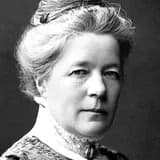
On 11 November 1909, Selma Lagerlöf was announced as Nobel Prize in Literature laureate, the first woman and first Swedish writer to receive it.
On 11 November 1909, the Swedish Academy publicly announced that Selma Lagerlöf would receive the Nobel Prize in Literature. This decision made her the first woman and the first Swedish writer ever chosen for the literature prize. The announcement, issued from Stockholm, immediately drew international attention to a novelist whose work was deeply rooted in Swedish landscapes and folklore.
The Academy cited the "lofty idealism, vivid imagination and spiritual perception" of her writings, which included Gösta Berlings saga, Jerusalem, and Nils Holgerssons underbara resa genom Sverige. In 1909, women rarely occupied central positions in literary institutions, and no woman had yet been deemed worthy of the Nobel in Literature. By naming Lagerlöf as laureate, the Academy broke a significant gender barrier and signaled that female authors could stand at the very pinnacle of world literature.
The announcement’s historical significance extends beyond individual acclaim. It encouraged a reevaluation of women’s contributions to narrative art and inspired later generations of women writers, particularly in Scandinavia and across Europe, to pursue ambitious literary careers. For Sweden, the choice affirmed the international stature of its national literature. In the context of the early twentieth century—marked by debates over women’s suffrage, education, and professional opportunities—Lagerlöf’s selection as Nobel laureate on 11 November 1909 stands as a landmark moment in both literary and women’s history.