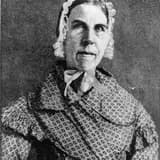
Sarah Grimké became a recorded minister among Quakers, deepening her moral and religious authority for reform work.
After relocating to Philadelphia and joining the Society of Friends (Quakers), Sarah Grimké's spiritual devotion and moral seriousness led to her recognition within the Quaker community. Her Quaker faith emphasized the spiritual equality of men and women, a doctrine that profoundly shaped her later arguments for women's rights.
Her involvement with the Arch Street Meeting in Philadelphia provided her a rare public platform, as Quaker meetings permitted women to speak and even minister publicly, unlike most Christian denominations of the era. This was a formative experience that gave Sarah practical experience in religious speech-making and helped embolden her later public lecturing on abolition and women's rights, activities considered scandalous for women to undertake before mixed audiences.
Her time as a Quaker minister connected her with prominent abolitionists and reformers, and her religious authority lent credibility to her later writings, including the influential Letters on the Equality of the Sexes and the Condition of Woman (1838), in which she used biblical scholarship to argue against the subjugation of women. This grounding in Quaker theology became a cornerstone of her lifelong activism.