← All women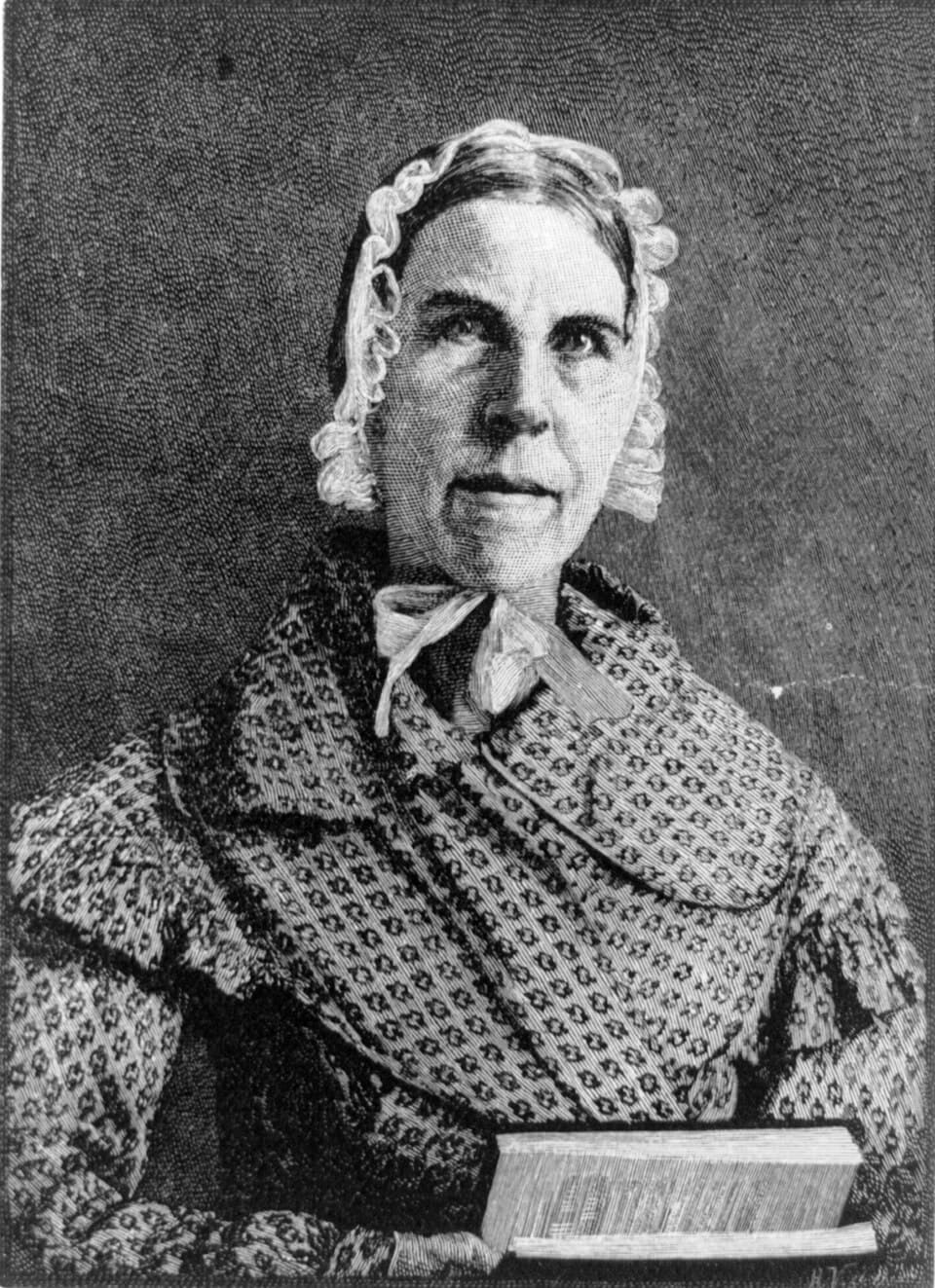
American · Activism · Politics · Literature
Sarah Grimké
November 26, 1792 – December 23, 1873
Early Life and Background
Sarah Moore Grimké was born on November 26, 1792, in Charleston, South Carolina, into a wealthy and influential slaveholding family. Her father, John Faucheraud Grimké, was a prominent judge, and her mother, Mary Smith Grimké, hailed from a powerful, traditional Southern family. Being the sixth of fourteen children, Sarah was exposed to the complex dynamics of Southern aristocracy. Despite the constraints of her era, she developed a passion for learning, often informally educating her younger siblings. This thirst for knowledge led her to become acutely aware of the moral inconsistencies of slavery, sparking a lifelong activist path.
Career Beginnings and Development
Although initially limited by her Southern upbringing, Sarah's move to Philadelphia in 1821 marked the beginning of her public advocacy. Influenced by the Quakers’ abolitionist and gender-equality principles, she converted to Quakerism, aligning her beliefs with hers and setting her on a path of lifelong activism. Alongside her sister, Angelina Grimké, Sarah began speaking publicly against slavery and advocating for women's rights, a bold step for women of her time. Her speeches emphasized the moral contradictions of Christianity in justifying slavery and patriarchy.
Major Works, Discoveries, or Accomplishments
In 1838, Sarah published "Letters on the Equality of the Sexes, and the Condition of Woman," groundbreaking work articulating gender equality paralleling abolitionist arguments. This collection of letters positioned her as an intellectual force in burgeoning feminist discourse. Moreover, alongside her sister, Sarah became a key figure in the American Anti-Slavery Society, delivering lectures that would galvanize support for both the abolitionist movement and early feminism. Her rhetoric was ahead of its time, prefiguring arguments in later women’s suffrage literature.
Awards, Honors, and Recognition Received
While Sarah Grimké did not receive formal awards during her lifetime, her legacy has been recognized posthumously. She is heralded as a pioneering feminist and abolitionist, with her work continuing to resonate in historical discussions of American radical thought and reform movements.
Personal Life
Sarah never married, dedicating her life solely to her causes. Her closest familial relationship remained with her sister Angelina, whom she mentored and collaborated with extensively throughout her career.
Legacy and Historical Impact
Sarah Grimké’s legacy is profound, influencing both abolitionist and women’s rights movements. Her writings on gender equality created a framework for later feminist thinkers and activists. Furthermore, her tireless advocacy and moral principles exemplify the power of intersectional activism in fighting systemic injustices. By speaking out from within the oppressive structures of her birth culture, she highlighted the inconsistencies and hypocrisy of maintaining such institutions.
Later Life and Death
In her later years, Sarah continued to reside with her sister Angelina in Hyde Park, Massachusetts, where they remained active in abolitionist circles. Sarah Grimké passed away on December 23, 1873, leaving behind a rich legacy of social and intellectual activism that paved the way for future civil rights and gender equality movements.
Dated achievements
3 indexed.
- Nov261792Activism
Birth of Sarah Moore Grimké
Sarah Moore Grimké was born in Charleston, South Carolina, into a wealthy slaveholding family.
View details Sarah Moore Grimké - Wikipedia - Aug151837Activism
Ordained as a Minister by the Society of Friends
Sarah Grimké became a recorded minister among Quakers, deepening her moral and religious authority for reform work.