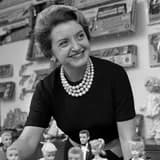
Barbie made its public debut at the New York Toy Fair, launching a new era in fashion dolls.
On March 9, 1959, Ruth Handler introduced the first Barbie doll at the American International Toy Fair in New York City. The launch marked the public debut of a fashion doll that looked unlike the baby dolls then dominant in the American toy market. Barbie’s adult figure, wardrobe, and independent persona reflected Handler’s conviction that girls needed a doll that invited imaginative role-play about the future, not only motherhood.
This was a genuine barrier-breaking accomplishment in the history of toys. Handler pushed against industry assumptions that children would not accept a doll with an adult body or that a female consumer product could be built around style, aspiration, and self-fashioning. Barbie’s immediate success proved those assumptions wrong and quickly turned the doll into a national and then international phenomenon.
The launch also had broader cultural significance. Barbie became one of the most influential toys in modern history, shaping debates about femininity, consumer culture, and representation for decades. Handler’s role in bringing Barbie to market made her a central figure in twentieth-century popular culture, even as the doll’s meaning continued to evolve long after the original debut.