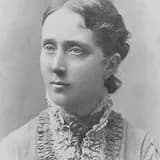
After years of campaigning led by Rose Scott and the Womanhood Suffrage League, NSW women won the right to vote in state elections.
On 6 April 1902, the New South Wales Parliament passed legislation extending the right to vote in state elections to women, a landmark achievement that Rose Scott had campaigned for tirelessly since founding the Womanhood Suffrage League of New South Wales in 1891 and serving as its first honorary secretary.
Scott organized petitions, public meetings, and lobbying campaigns, using her considerable social connections and rhetorical skill to press politicians and sway public opinion. She corresponded with suffragists internationally and coordinated with other Australian colonies, helping New South Wales follow South Australia (1894) and Western Australia (1899) in granting women the vote, ahead of many nations worldwide.
This victory was significant not only as a matter of political rights but as a validation of women's capacity for full civic participation, challenging deeply entrenched Victorian-era assumptions about women's proper sphere. Rose Scott's leadership in this campaign cemented her reputation as one of Australia's most effective and articulate reform advocates, and the NSW suffrage victory fed into the broader push that culminated in the Commonwealth Franchise Act of 1902, giving most Australian women the vote in federal elections.
Her tactics—coalition-building, persistent lobbying, and appeals to both moral and practical arguments—became a model for subsequent reform campaigns in Australia.