← All women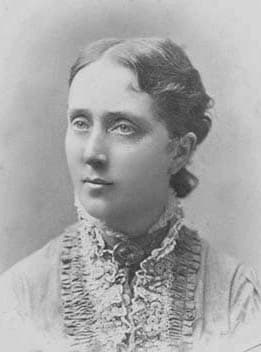
Australian · Activism · Politics
Rose Scott
October 8, 1847 – April 20, 1925
Early Life and Background
Rose Scott was born on 8 October 1847 in Singleton, New South Wales, Australia, into a well-connected family. She was the daughter of Helenus Scott and Augusta Maria Fredericka Scott, and grew up in a household that valued education and social responsibility. Scott educated herself extensively in literature, politics, and social issues, which would greatly influence her future work as a reformer.
Career Beginnings and Development
Rose Scott's activism began in earnest in the late 19th century. Her home in Sydney became a hub for intellectual discussion, attracting progressive thinkers and reformists. Through these gatherings, she cultivated a network of supporters and collaborators. In 1891, she founded The Women's Political Education League, aiming to educate women in political matters and encourage their active participation in civic life.
Major Works and Accomplishments
Scott played a critical role in the women's suffrage movement in Australia. She was instrumental in lobbying for the enfranchisement of women in New South Wales, which was realized in 1902. Furthermore, she advocated for the improvement of women's and children's rights. One of her landmark campaigns was raising the age of consent from 14 to 16 years in New South Wales, a reform achieved in 1899 through her persistent efforts.
Awards, Honors, and Recognition
Rose Scott's tireless work earned her significant respect and recognition, both nationally and internationally. She was a founding member of the National Council of Women of New South Wales and served as its first president in 1896. Her influence extended beyond Australia, as she engaged with suffragists and reformers overseas, including the famous British activist, Millicent Fawcett.
Personal Life
Scott's personal life was largely private. She did not marry and dedicated her life to the causes she championed. Her social circle was vibrant, and she maintained strong friendships with many prominent figures of her time, who supported her in her reform work.
Legacy and Historical Impact
The legacy of Rose Scott is deeply embedded in Australian history. Her advocacy played a vital role in the early twentieth-century reforms that began shaping the modern Australian society. The policies she helped to implement laid foundational stones toward gender equality and the protection of children. Her legacy is commemorated through public recognitions, including plaques and recordings of her contributions in Australian educational curricula.
Later Life and Death
Rose Scott continued her advocacy work well into her later years, maintaining involvement in various social issues. She passed away on 20 April 1925 in Sydney, leaving behind a formidable legacy of social reform and the empowerment of women. Her life and work remain a testament to her dedication to justice and equality.
Dated achievements
3 indexed.
- Oct081847Science
Born in Glendon, New South Wales
Rose Scott was born on 8 October 1847 at Glendon, near Singleton, New South Wales, Australia.
View details Rose Scott - Australian Dictionary of Biography - Apr061902Politics
Women's suffrage achieved in New South Wales
After years of campaigning led by Rose Scott and the Womanhood Suffrage League, NSW women won the right to vote in state elections.