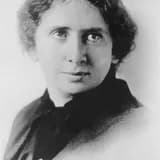
After 146 workers died in the Triangle Shirtwaist Fire on March 25, 1911, Schneiderman delivered a famous memorial speech demanding labor reform.
On March 25, 1911, the Triangle Shirtwaist Factory in Manhattan caught fire, killing 146 garment workers, most of them young immigrant women, many of whom died after jumping from windows or being trapped behind locked exit doors. It remains one of the deadliest industrial disasters in American history and a turning point in the fight for workplace safety.
Rose Schneiderman, already a prominent labor organizer, delivered a searing memorial address at the Metropolitan Opera House following the tragedy. In her speech she declared: "This is not the first time girls have been burned alive in the city. Every week I must learn of the untimely death of one of my sister workers... I know from experience it is up to the working people to save themselves." She excoriated the complacency of the public and the inadequacy of "good fellowship" between classes, insisting that only the organized power of the working class—not charity or goodwill—could prevent future tragedies.
Her speech became one of the most quoted addresses in American labor history, galvanizing public support for the fire safety and labor reforms that followed, including the work of the New York Factory Investigating Commission. The fire and Schneiderman's response cemented her national reputation as a powerful voice for industrial workers' rights and workplace safety legislation.