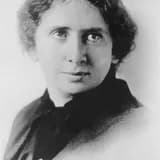
Rose Schneiderman died on August 12, 1972, in New York City at the age of 90, after decades of pioneering labor and women's rights activism.
Rose Schneiderman died on August 12, 1972, in New York City at the age of ninety. By the time of her death, she had lived through and helped shape nearly seven decades of American labor and women's history, from the sweatshops of the Lower East Side to the corridors of the White House as an advisor to President Franklin D. Roosevelt.
Her death marked the end of an era for the American labor movement's pioneering generation of women organizers. Schneiderman had largely retired from public life in the 1950s after the decline of the Women's Trade Union League, but her influence persisted through the institutions she helped build and the legislation she championed, including minimum wage laws, maximum hour laws, and workplace safety regulations.
She is remembered as one of the most significant labor feminists of the twentieth century—famous for coining the phrase "bread and roses," encapsulating the idea that workers deserved not just subsistence wages but also dignity, beauty, and fulfillment in their lives. Her legacy lives on in labor and women's history scholarship, and she remains a touchstone figure for understanding the intersection of immigrant labor, Jewish American history, and the American women's suffrage and labor movements.