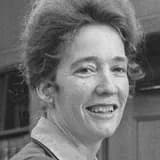
Rose Bird was defeated in a retention election on November 4, 1986, becoming the first chief justice in California history voted out of office.
On November 4, 1986, California voters rejected Rose Bird's retention as Chief Justice of the California Supreme Court in a historic and bitterly fought election. She became the first chief justice in California history to be removed from office by the electorate, losing by a wide margin of roughly 2-to-1.
The campaign against Bird was fueled largely by her consistent record of voting to overturn death sentences—she voted against the death penalty in every one of the more than 60 capital cases that came before her—which infuriated crime-victim advocacy groups, prosecutors, and law-enforcement organizations in an era of rising public concern about violent crime. Business interests and agricultural groups, still resentful over her earlier pro-labor stances as Secretary of Agriculture, also funded substantial opposition campaigns.
Two of her fellow justices, Cruz Reynoso and Joseph Grodin, were removed in the same election, representing an unprecedented wholesale ouster of sitting justices tied to a single ideological campaign, largely organized and financed by opponents of judicial activism on capital punishment.
Bird's defeat marked a turning point in American judicial politics, illustrating how retention elections could be transformed into referenda on specific hot-button issues rather than general assessments of judicial competence. It fundamentally altered the political calculus for state supreme court justices nationwide, making many more cautious about capital punishment rulings for fear of similar electoral backlash. Her removal remains a landmark case study in judicial independence versus democratic accountability.