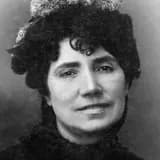
Rosalía de Castro published Cantares Gallegos on 17 May 1863, the first major poetry collection written in Galician, launching the Rexurdimento movement.
On 17 May 1863, Rosalía de Castro published Cantares Gallegos ("Galician Songs"), a landmark collection of poems written almost entirely in the Galician language. At a time when Galician had been relegated for centuries to oral, rural, and informal use while Castilian Spanish dominated literature, administration, and prestige, Castro's decision to compose sophisticated poetry in Galician was a radical and pioneering act.
Cantares Gallegos drew on popular songs, rural customs, landscapes, and the everyday life of Galician peasants, elevating them to literary art and instilling regional pride during a period of cultural marginalization. The book is widely regarded as the founding text of the Rexurdimento ("Reawakening"), the 19th-century movement to revive Galician language and culture, and it is the reason 17 May was later chosen as Día das Letras Galegas (Galician Literature Day), an official holiday celebrating Galician writers.
The work's significance was both literary and political: it demonstrated that Galician could carry complex emotion, social commentary, and artistic ambition, challenging the linguistic hierarchy imposed by centralist Spanish culture. It also gave voice to the hardships of Galician emigrants and rural women, themes Castro would continue to develop. This publication remains a cornerstone of Galician national identity and literary history, and Rosalía de Castro is celebrated as the first great poet of the modern Galician language.