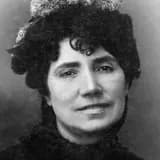
Rosalía de Castro died of cancer on 15 July 1885 in Padrón, Galicia, at age 48, leaving behind a foundational body of Galician and Spanish poetry.
Rosalía de Castro died on 15 July 1885 in the town of Padrón, Galicia, at the age of 48, after a long struggle with uterine cancer. She spent her final years in declining health, cared for by her husband, the historian and writer Manuel Murguía, and surrounded by her children at their home, Casa da Matanza, near Padrón.
Her death came at a moment when her literary reputation, though respected in Galician cultural circles, had not yet reached the towering stature it would later attain. It was largely posthumous recognition, propelled by figures such as her husband Murguía and later generations of Galician writers and nationalists, that cemented her position as the most important Galician poet of the 19th century and a major figure in Spanish-language literature through her Castilian collection En las orillas del Sar (1884).
Rosalía's death is commemorated as a solemn date in Galician cultural memory. Her remains were later exhumed and transferred, in 1891, to the Panteón de Galegos Ilustres (Pantheon of Illustrious Galicians) in the Convento de Santo Domingo de Bonaval in Santiago de Compostela, an honor reflecting her elevation to the status of a Galician national symbol. Her modest house in Padrón is preserved today as the Casa-Museo de Rosalía de Castro, a museum dedicated to her life and work, and her death anniversary continues to be marked by literary tributes across Galicia.