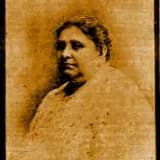
Rita Cetina co-founded La Siempreviva in Mérida in 1870, a literary society and school promoting women's education and rights in Yucatán.
On April 10, 1870, Rita Cetina Gutiérrez, together with a group of like-minded women including Cristina Farfán, founded La Siempreviva ('The Everlasting') in Mérida, Yucatán. This organization began as a literary and cultural society but rapidly evolved into one of the most significant institutions for women's education in nineteenth-century Mexico, combining a periodical publication with an actual school for girls.
La Siempreviva was revolutionary for its era: it provided young women, many from families of limited means, access to an education that went beyond the domestic arts typically taught to girls, including literature, sciences, and pedagogy, empowering them to become teachers themselves. The associated magazine, also called La Siempreviva, served as a platform for women writers to publish poetry, essays, and social commentary, championing the then-radical idea that women deserved intellectual autonomy and civic participation.
The founding of La Siempreviva marked a turning point in Yucatán's cultural history, situating Cetina as a leading pioneer of Mexican feminism decades before the word was commonly used. Her work directly influenced subsequent generations of Yucatecan feminists and educators, and the model of combining a school with a women-run publication became a template replicated by other reformers across Mexico in the following decades.