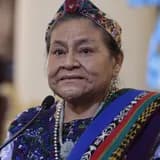
Norwegian Nobel Committee announces Rigoberta Menchú Tum as the 1992 Nobel Peace Prize laureate for her work for Indigenous rights.
On 16 October 1992, the Norwegian Nobel Committee announced that Rigoberta Menchú Tum had been awarded the Nobel Peace Prize for her "struggle for social justice and ethno-cultural reconciliation based on respect for the rights of indigenous peoples."[12] This announcement came amid global commemorations of the quincentenary of Columbus’s arrival in the Americas, giving her selection added symbolic weight.[12][1]
The decision recognized Menchú’s efforts to document and denounce atrocities committed against Indigenous communities during the Guatemalan Civil War, especially the army’s scorched-earth campaigns in the highlands.[1][2] Through activism, testimony, and international advocacy, she had become a key voice exposing human rights violations and pressing for peace negotiations.[12][16]
Historically, this announcement marked a barrier-breaking moment: Menchú was framed as the first Indigenous person ever chosen for the Nobel Peace Prize, and one of the youngest laureates, which challenged Eurocentric norms in global recognition.[12][13][15] It signaled growing international willingness to center Indigenous perspectives in debates on democracy, reconciliation, and human rights.
The announcement catalyzed increased visibility for Indigenous movements across Latin America, bolstered support for peace efforts in Guatemala, and helped Menchú leverage prize resources to establish her foundation promoting human rights and intercultural dialogue.[13][5] As an event, 16 October 1992 stands as a milestone in the global acknowledgment of Indigenous struggles and leadership.