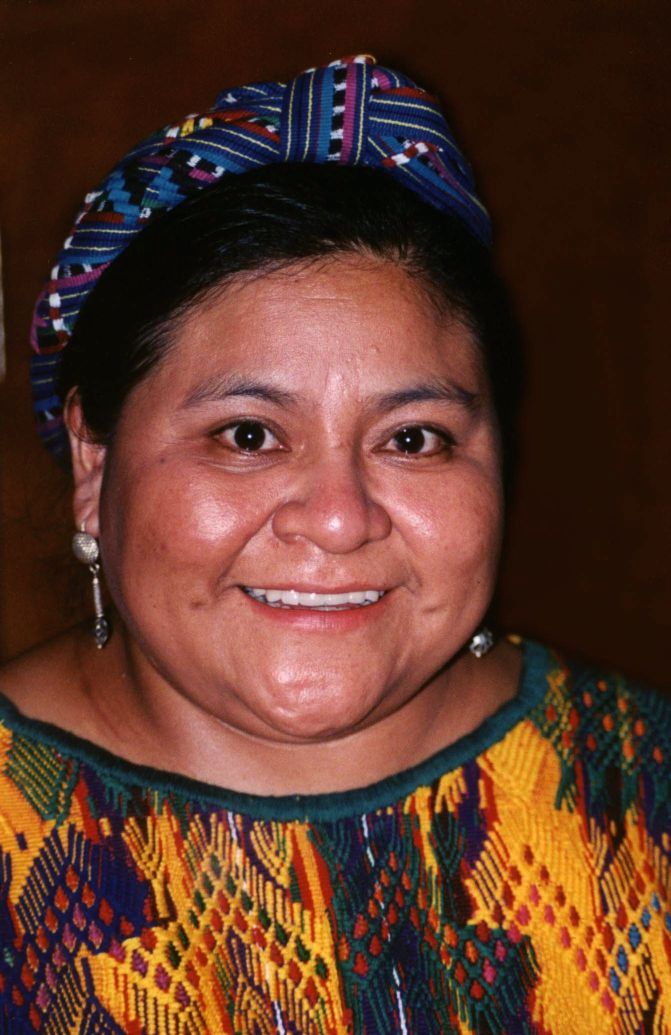
Birth of Rigoberta Menchú Tum in Aldea Chimel, Uspantán, Quiché, Guatemala, into a K’iche’ Maya peasant family.
On 9 January 1959, Rigoberta Menchú Tum was born in Aldea Chimel, in the municipality of Uspantán, Quiché, Guatemala, into a poor K’iche’ Maya peasant family. Her childhood in a remote highland community, marked by seasonal agricultural labor and deep cultural traditions, profoundly shaped her worldview.
Growing up in a context of entrenched racism, land dispossession, and state violence against Indigenous peoples, Menchú experienced first-hand the structural inequalities that would later become the core focus of her activism.[1][12] As a girl she worked in coffee plantations under harsh conditions and saw how Indigenous communities were excluded from education, healthcare, and political power.[1][2]
This birth date is historically significant because it locates Menchú within the generation that came of age during Guatemala’s brutal civil war, which disproportionately targeted Indigenous communities.[12][16] Her early experiences of poverty, religious instruction, and community organizing laid the groundwork for her role as a leading voice against military repression and for Indigenous rights.
From this small village, Menchú would go on to become a global symbol of resistance and reconciliation, using her personal story to expose human rights abuses and to press for structural change in Guatemala and beyond.[2][5] Her birth in Chimel thus anchors the trajectory of one of the most influential Indigenous women activists of the late twentieth century.
Images