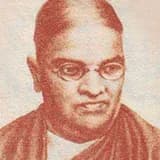
Ramabai Ranade died on 22 January 1924, remembered as a pioneering social reformer, educator, and advocate for women's rights in India.
Ramabai Ranade died on 22 January 1924, closing a life that spanned some of the most transformative decades in the history of the Indian women's movement. By the time of her death, she had become one of the most respected social reformers of her generation, remembered for her decades-long work in women's education, the establishment of institutions such as the Seva Sadan (Society for Women's Service), and her tireless public advocacy for widow remarriage, girls' education, and the abolition of restrictive social customs.
Her death was mourned across reformist circles in Maharashtra and beyond, as she had come to be seen as a living embodiment of the possibilities opened up by the social reform movement her husband, Justice Mahadev Govind Ranade, had championed. Unlike many women of her era who lived in obscurity, Ramabai had, in her widowhood, become an independent public figure—delivering speeches, organizing conferences, and writing her memoirs, Amchar Ayushatil Kahi Athavani (Reminiscences), which remain an invaluable historical record of upper-caste Hindu domestic and social life in nineteenth-century Maharashtra.
Her legacy endured through the institutions she founded and strengthened, which continued to provide shelter, education, and vocational training to widows and destitute women long after her death. She is remembered today as one of the foremost pioneers of the Indian women's emancipation movement, bridging the world of traditional Brahmin domesticity and the emerging currents of modern social reform.