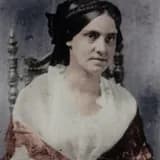
Appointed chief matron of Hospital No. 2 at Chimborazo, becoming the first woman on its staff and directing a division in the Confederacy’s largest hospital.
On December 1, 1862, Phoebe Yates Levy Pember was appointed chief matron of Hospital No. 2 (Second Division) at Chimborazo Hospital in Richmond, becoming the first woman on the hospital’s staff and a division head in what was then the largest military hospital in the world.[1][4][9][11][14] Her assignment placed her in direct charge of the care and diets of over 700 patients in her division, as well as the regulation of whiskey for medical use only.[8][9]
As chief matron, Pember’s responsibilities extended beyond bedside care. She controlled storerooms, supervised ward personnel, and navigated military bureaucracy to secure supplies, while maintaining discipline in an institution dominated by male surgeons and officers.[3][4][9][14] Her insistence on humane treatment led her to advocate for better food, cleanliness, and attention to dying soldiers, often writing letters and providing spiritual comfort.[3][6][9] Contemporary and later accounts emphasize that over the course of the war, more than 15,000 patients came under her direct care.[2][7]
This appointment marked a notable gender and religious breakthrough in Civil War medicine. Below the Mason–Dixon Line, the role of hospital administrator was effectively closed to women before Pember’s tenure; her position at Hospital No. 2 made her a pioneering figure in Southern hospital administration and an early example of a Jewish woman exercising substantial authority in a Confederate military setting.[4][6][10][14] Her leadership at Chimborazo challenged assumptions about women’s capabilities in logistics and command, and her success helped pave the way for the broader professionalization of nursing and the later acceptance of women in hospital management. The experiences and observations she gathered from Hospital No. 2 became central to her memoir, influencing generations of historians studying Civil War medical practices and women’s roles in war.[1][3][4][13][14]