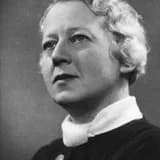
Pauline Hall died on December 25, 1969, in Oslo, Norway, at age 79.
Pauline Hall died on December 25, 1969, in Oslo, closing out a career that spanned over five decades as a composer, music critic, and cultural organizer. She had remained active in Norwegian musical life into her later years, both as a respected elder statesperson of contemporary Norwegian music and as an advocate for younger generations of composers.
Her death marked the end of an era for Norwegian modernism; Hall had been a central figure since the 1930s in bringing international contemporary music trends into dialogue with Norwegian composers through the society Ny Musikk (New Music), which she founded in 1938 as the Norwegian section of the International Society for Contemporary Music (ISCM).
In the years following her death, Hall's legacy has been increasingly recognized, particularly by scholars of women in music and LGBTQ+ history in Scandinavia, as she lived openly in same-sex relationships during a period when this was rarely acknowledged publicly. Institutions and archives such as Skeivt arkiv (Norway's queer archive) and organizations dedicated to women's musical history, such as kvinneligespor.no, continue to document and celebrate her contributions. Her compositions, including the once-controversial Verlaine Suite and the ballet Circus, remain part of the Norwegian musical historical canon, and Ny Musikk continues to operate today as one of Norway's leading platforms for contemporary music.