← All women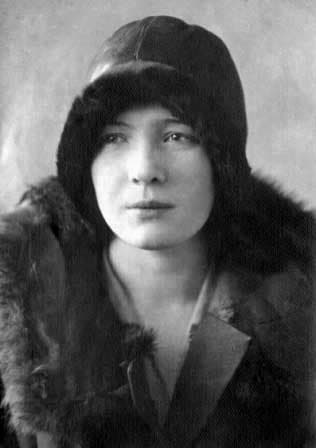
Russian · Literature · Activism
Olga Bergholz
May 16, 1910 – November 13, 1975
Early Life and Background
Olga Fyodorovna Bergholz was born on May 16, 1910, in St. Petersburg, Russia. She grew up in a Russian-German family that valued education and the arts. Her father was a physician, and her upbringing in an intellectually stimulating environment fostered her early interest in literature.
Career Beginnings and Development
Bergholz attended Leningrad State University where she studied philology. Her early works were published in the 1920s, marking her as a promising young poet. She joined the Union of Soviet Writers and quickly became known for her evocative and passionate verse, often reflecting personal and collective struggles.
Major Works and Accomplishments
During World War II, Bergholz became a symbol of resistance against the Nazi siege of Leningrad. Her daily radio broadcasts during the blockade, filled with emotional poetry and messages of hope, sustained the spirit of the encircled city's inhabitants. Her published works from this period, such as "The Siege of Leningrad" and "February Diary," capture the resilience and endurance of the Soviet people.
Awards, Honors, and Recognition
In recognition of her contributions, Bergholz received numerous Soviet honors, including the Stalin Prize in 1951. Her work remains emblematic of wartime perseverance and is respected throughout Russia and beyond.
Personal Life
Bergholz experienced personal tragedies, including the loss of two children, which deeply influenced her writing. She was married twice, first to Boris Kornilov, another Soviet poet, and later to Nikolai Molchanov, a literary critic. Both relationships profoundly impacted her life and work.
Legacy and Historical Impact
Olga Bergholz's legacy is integral to Russian literature, particularly in contexts of war and human endurance. Her writings have been attributed with providing psychological support to those suffering during the Siege. She continues to be celebrated for her ability to articulate the emotional and physical toll of conflict.
Later Life and Death
After the war, Bergholz continued to write, contributing to Soviet cultural life through her poetry and essays. She passed away on November 13, 1975, in Leningrad. Her death marked the end of a significant era in Russian poetics, but her work remains influential.
Dated achievements
3 indexed.
- May161910Science
Birth of Olga Berggolts in St. Petersburg
Olga Fyodorovna Berggolts was born on 16 May 1910 in St. Petersburg, Russian Empire, into a family of a factory doctor of German descent.
View details Olga Berggolts - Wikipedia - Sep011941Literature
Becomes the 'Voice of Leningrad' on besieged city radio
As the Nazi Siege of Leningrad began, Berggolts started broadcasting daily on Leningrad Radio, sustaining civilian morale with poetry and personal reflections.