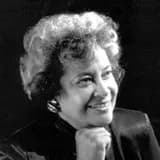
Born April 15, 1926, in Harlem, New York, to Trinidadian immigrant parents Walter and Amy Merrick.
On April 15, 1926, Norma Merrick was born in Harlem, New York, into a family of Trinidadian immigrants, Dr. Walter Ernest Merrick and Amy (Amelia) Willoughby Merrick. This early environment, shaped by Black Caribbean heritage and the Harlem community, formed the backdrop to one of the most groundbreaking careers in American architecture.
Her father, a physician, and her mother, a seamstress, emphasized education, discipline, and practical skills, teaching her carpentry and home repair and encouraging her aptitude for mathematics and drawing.[1][3][7][8] Growing up as an only child in a racially segregated United States, she experienced both the opportunities of New York’s intellectual life and the constraints imposed on Black girls in the 1930s and 1940s.
This birth date is significant because it anchors the timeline of a woman who would become widely known as the “Rosa Parks of architecture”, a pioneer who broke multiple race and gender barriers in a profession that was overwhelmingly white and male.[1] Her trajectory—from Harlem childhood to Columbia University and major international projects—illustrates how a Black girl born in the Jim Crow era transformed systemic exclusion into a career of firsts.
In historical scholarship on women and African American professionals, April 15, 1926 marks the beginning of a life that would help open architecture to future generations of Black women and other underrepresented groups, providing a crucial reference point for studies of diversity and equity in the built environment.