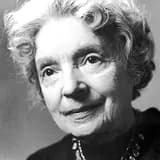
On 10 Dec 1966, Nelly Sachs became the first German-speaking woman to receive the Nobel Prize in Literature.
On 10 December 1966, her seventy‑fifth birthday, Nelly Sachs received the Nobel Prize in Literature in Stockholm, sharing the award with Israeli writer Shmuel Yosef Agnon.[2][6][14] She is widely recognized as the first German‑speaking woman to win the Nobel Prize in Literature.[5][6][16]
King Gustaf VI Adolf of Sweden presented the prize, whose citation praised her "outstanding lyrical and dramatic writing, which interprets Israel's destiny with touching strength."[6] The poignant coincidence of dates had been cherished by her father, who once noted that her birthday might fall on the day of a major honor.[14]
Historically, the award marked a transformative moment in postwar literary culture. Sachs, a Jewish refugee who had escaped Nazi Germany in 1940 thanks to Selma Lagerlöf’s intervention, now stood at the center of world literature as a poet of the Holocaust and exile.[2][6][10] Her work, including collections such as In den Wohnungen des Todes and Flucht und Verwandlung, offered a mystical, visionary language for mourning and spiritual metamorphosis.[10][16]
As a women’s-history milestone, Sachs’s Nobel established that a woman’s poetic response to genocide and persecution could be canonized at the highest level, reshaping assumptions about who defines world literature. It broadened the recognition of women as authoritative interpreters of historical trauma and religious symbolism. The award also reinforced Sweden’s role in supporting refugee intellectuals and highlighted the transnational nature of Holocaust remembrance.