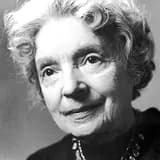
Death of Nelly Sachs in Stockholm on 12 May 1970, after a life as a refugee, poet, and Nobel laureate.
Nelly Sachs died on 12 May 1970 in Stockholm, Sweden, after decades of life in exile.[1][2][4][6][12][16] She was 78 years old. Her death came four years after her Nobel Prize and followed periods of severe mental illness, including persecution paranoia and hospitalizations in the early 1960s.[5][10]
Sachs had lived modestly in a small Stockholm apartment, largely devoted to writing and translation, supported by the Swedish literary community and by occasional prizes.[2][6][18] Despite international fame, she remained personally fragile, haunted by the fate of European Jewry, including relatives who were murdered in the Holocaust.[10][16]
Historically, her death marked the end of a singular poetic voice that had fused German Romantic and Expressionist traditions with Jewish mysticism and Holocaust testimony. By 1970, her work was central to conversations about memory, martyrdom, and the ethical responsibilities of postwar literature.[3][10][14][16] Scholars and readers increasingly viewed her as a spiritual chronicler whose poems transformed catastrophe into visionary language.
In women’s and Jewish history, Sachs’ passing underscores the long psychological toll of persecution on survivors, including women whose suffering was compounded by gendered expectations of endurance and silence. Her continued residence in Sweden until her death highlights the role of exile communities in sustaining refugee women intellectuals. The date of her death, carefully recorded in major reference works, anchors commemorations of her life and the broader history of Holocaust representation in literature.