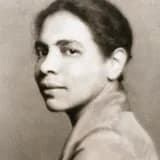
Nella Larsen died on March 30, 1964, in New York City, having withdrawn from literary life decades earlier; she was found alone in her apartment.
Nella Larsen died on March 30, 1964, in her apartment in New York City. She was 72 years old. By the time of her death, she had been almost entirely forgotten by the literary establishment, having withdrawn from writing and public life after the early 1930s amid personal scandal, professional disappointment, and the waning of the Harlem Renaissance.
After ending her marriage to physicist Elmer Imes in 1933 and losing her father figure and literary mentor relationships, Larsen worked for decades as a nurse in Brooklyn hospitals, deliberately distancing herself from her former literary circle and often obscuring details of her past. She published no further fiction after allegations of plagiarism (later shown to be largely unfounded) damaged her reputation in the early 1930s.
Her body was discovered days after her death, reflecting the isolation of her final years. She left behind a modest estate to a former co-worker, having severed most ties to the Harlem Renaissance figures she once knew intimately, including Carl Van Vechten, Walter White, and W.E.B. Du Bois.
Larsen's death went largely unnoticed by the press at the time, a stark contrast to the critical acclaim her novels Quicksand (1928) and Passing (1929) had received. It was only decades later, beginning in the 1970s and accelerating with the rise of Black feminist literary criticism, that scholars rediscovered and reassessed her work, cementing her posthumous reputation as one of the most important novelists of the Harlem Renaissance.