← All women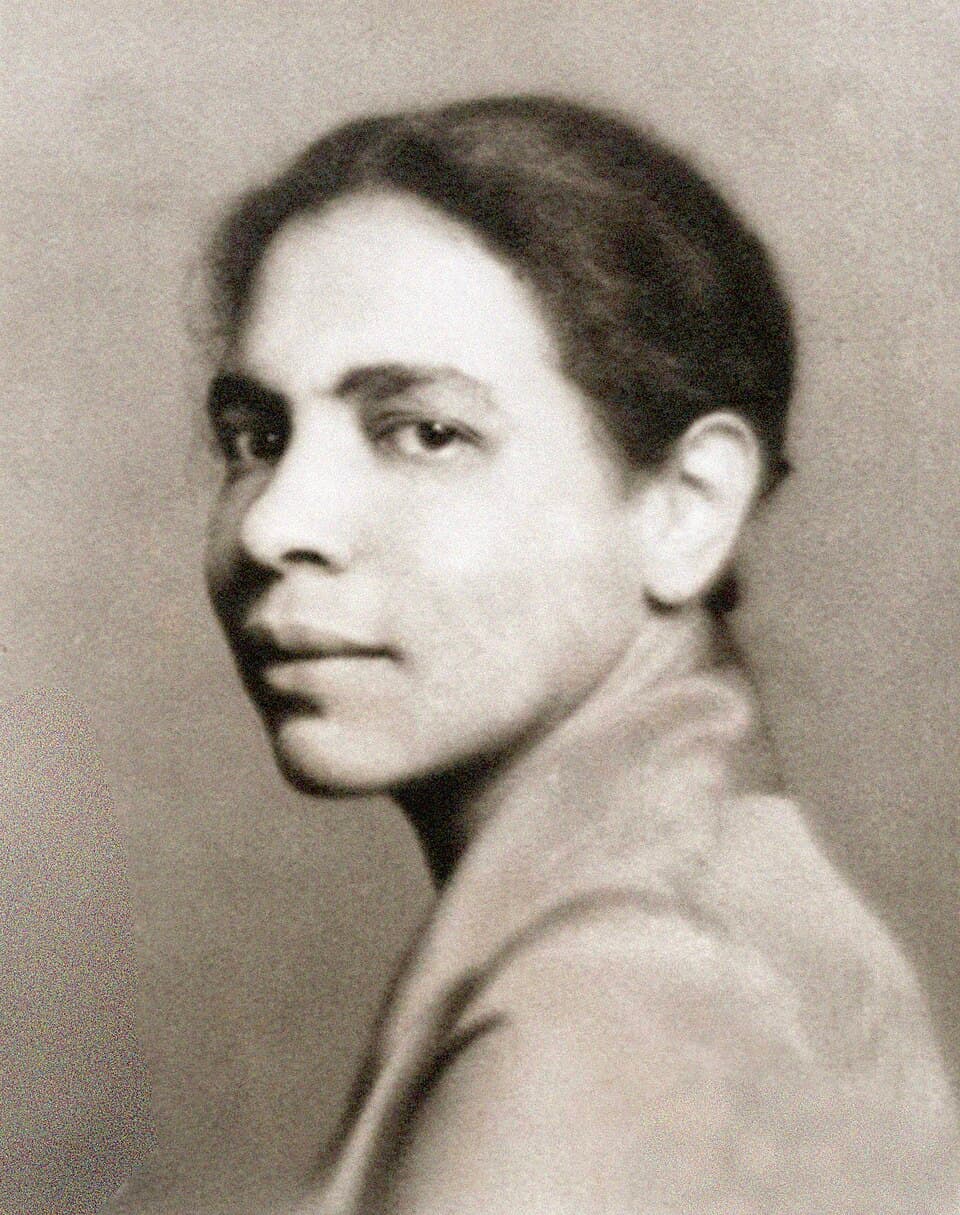
American · Literature
Nella Larsen
April 13, 1891 – March 30, 1964
Early Life and Background
Nella Larsen was born on April 13, 1891, in Chicago, Illinois. She was the daughter of a Danish immigrant mother, Mary Hanson, and an African American father, Peter Walker, who died while Larsen was young. Her mother later remarried. Raised in a mixed-race household, Larsen struggled with her identity and belonging, experiences that would deeply inform her later literary work.
She attended Fisk University, a historically black college in Tennessee, but left after one year. Larsen also studied in Denmark, returning to the United States to enroll at Lincoln Hospital and Home in New York City, where she graduated as a nurse in 1915.
Career Beginnings and Development
Larsen initially worked as a librarian at the New York Public Library, a position that linked her to the thriving Harlem Renaissance community. Her association with this movement and her profound sense of identity ambiguity inspired Larsen to begin writing fiction during the mid-1920s.
Major Works and Accomplishments
Larsen published her first novel, Quicksand, in 1928, which received praise for its candid exploration of a woman's search for autonomy and identity. The book reflected her own experiences with racial and cultural isolation. The following year, she released her second novel, Passing, which is today regarded as a classic for its examination of race, gender, and class during the Harlem Renaissance. Both books earned critical acclaim, cementing her position as a key literary figure.
Awards and Recognition
Larsen was the first African American woman to receive the prestigious Guggenheim Fellowship for creative writing, awarded in 1930. This recognition allowed her to travel to Europe to conduct research for further literary projects.
Personal Life
In 1919, Nella Larsen married Elmer Samuel Imes, a prominent physicist. Their marriage, however, was troubled and ended in divorce in 1933 without having children. The dissolution of her marriage coincided with personal and professional challenges that led to Larsen’s withdrawal from the literary world.
Legacy and Historical Impact
Although Larsen's literary output was limited, her work profoundly impacted the American literary scene, especially within the Harlem Renaissance. Her novels offered a psychological depth and a nuanced portrayal of racial ambiguity, challenging straightforward understandings of identity. Posthumously, her work has been celebrated for its pioneering exploration of complex themes of race and identity, garnering critical reevaluation and increasing scholarship, including adaptation in various arts.
Later Life and Death
After her marriage dissolved and facing professional setbacks, Larsen returned to nursing, living a private life away from the literary spotlight. She continued to work as a nurse until her retirement. Nella Larsen died on March 30, 1964, in New York City. Her work, however, has seen a resurgence as a crucial part of both African American literature and women's literary history, highlighting significant cultural discussions about identity.
Dated achievements
2 indexed.
- Apr131891Science
Birth of Nella Larsen in Chicago
Nella Larsen was born on April 13, 1891, in Chicago, Illinois, to a Danish immigrant mother and a Black father of West Indian descent.
View details Nella Larsen - Wikipedia - Mar301964Science
Death of Nella Larsen in New York City
Nella Larsen died on March 30, 1964, in New York City, having withdrawn from literary life decades earlier; she was found alone in her apartment.