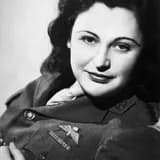
Born on 30 August 1912 in Wellington, New Zealand; Nancy Grace Augusta Wake would become one of the most decorated women of the Second World War.
Nancy Grace Augusta Wake was born on 30 August 1912 in Roseneath, Wellington, New Zealand, the youngest of several children in a working‑class family. This Pacific birth and early relocation would later shape her transnational identity as both New Zealander and Australian.
Her family moved to Sydney when she was about two, and Wake grew up in North Sydney, experiencing poverty, parental separation and a deep desire for independence.[2][7] These formative hardships fostered the resilience and defiance that would mark her wartime career. As a teenager she left home to train as a nurse before using a small inheritance to travel to New York and London, where she studied journalism and launched herself as a reporter.[1][11]
This birth date is historically significant because it anchors the life of one of the most decorated women of the Second World War, whose work with the French Resistance and British Special Operations Executive made her an iconic figure of female courage in modern warfare.[2][4][7] In an era when women were expected to remain in domestic or auxiliary roles, Wake’s later exploits—commanding thousands of Maquis fighters and undertaking high‑risk sabotage—show how a woman born in colonial New Zealand could become central to continental European resistance against Nazism.
Historians and commemorative institutions now use 30 August 1912 as the starting point for timelines of women’s military history, underlining how Wake’s trajectory from Wellington child to international resistance leader challenges assumptions about geography, gender and power in the twentieth century.