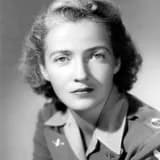
By late 1933 she qualifies for her commercial license, becoming the youngest woman in the U.S. to hold a commercial pilot’s license.
By December 31, 1933, Nancy Harkness had qualified for her commercial pilot’s license, becoming, according to period sources, the youngest woman in the United States to hold a commercial pilot’s license.[2][6] While the exact licensing day is not preserved in surviving documentation, contemporary biographical accounts consistently place this achievement within 1933, allowing the year to be used with an approximate end‑date marker.
Moving from private to commercial certification required greater flight hours, advanced navigation skills, and demonstration of reliability suitable for carrying passengers and performing paid flying work. Nancy pursued these requirements while studying at Vassar College, where she organized flying clubs and used her growing expertise to take passengers up from Poughkeepsie Airport, building hours toward the commercial rating.[6]
Achieving this license at a younger age than any other American woman at the time was a substantial breakthrough. The commercial rating opened doors to professional positions: selling aircraft for Beechcraft and Waco, flying for Inter‑City Air Lines, and later serving as a test pilot for Gwinn Aircar.[1][9] In the early 1930s, when female employment in aviation was largely limited to clerical roles or novelty stunts, Nancy’s credential demonstrated that women could meet rigorous regulatory standards for professional flight.
This milestone also laid direct groundwork for her later military contributions. It established her as part of a small cadre of highly experienced women pilots whom she would later propose to the Army Air Corps as potential ferry pilots. Her early commercial first helped shift institutional perceptions about women’s capabilities and built the résumé that made her a credible architect and leader of wartime ferrying programs.[2][6]