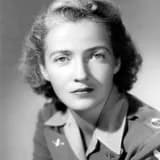
At age 13, she witnesses Charles Lindbergh’s transatlantic arrival at Le Bourget Field near Paris on May 21, 1927.
On May 21, 1927, thirteen‑year‑old Nancy Harkness stood among the massive crowds at Le Bourget Field outside Paris as Charles Lindbergh completed his historic first solo nonstop transatlantic flight in the Spirit of St. Louis.[7] She was living in Europe with her family at the time and was taken to witness the arrival.
For a young girl already fascinated by flight, physically seeing Lindbergh land after his 33½‑hour crossing was a formative experience. Contemporary accounts and later biographies emphasize that this moment crystallized her desire to become a pilot and demonstrated that aviation could capture world attention and transform global connections.[7][1]
This event occurred during an era when women were largely excluded from technical and military professions, and very few were licensed pilots. Yet Nancy watched one of the greatest aviation feats of the age from the front lines, internalizing both the drama and the possibilities of modern air travel.
The impact of that day echoed through her later decisions: enrolling in flying lessons as a teenager, organizing college flying clubs, and eventually advocating for women to serve as ferry pilots for the U.S. Army Air Corps. Le Bourget became, in hindsight, the symbolic bridge between heroic masculine aviation culture and the future in which women like Nancy Harkness Love would claim their own place in the cockpit.[1][7]