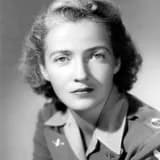
She is enshrined in the National Aviation Hall of Fame in Dayton, Ohio, recognizing her pioneering WWII aviation leadership.
On July 16, 2005, Nancy Harkness Love was formally enshrined in the National Aviation Hall of Fame in Dayton, Ohio.[9] The induction, occurring nearly three decades after her death, placed her among a select group of aviation pioneers recognized for enduring contributions to the field.
The Hall of Fame cited her leadership of the Women’s Auxiliary Ferrying Squadron (WAFS), her executive role in the Women Airforce Service Pilots (WASP), and her record as the first woman to fly virtually all of the Army Air Forces’ complex, high‑performance combat aircraft.[9] Coming 75 years after she first learned to fly, the honor symbolically closed a long gap between her wartime accomplishments and their mainstream recognition.
In terms of women’s history, the 2005 enshrinement is significant because it acknowledged that women had played central, not peripheral, roles in U.S. military aviation. Nancy’s story was featured alongside more widely known male figures, correcting earlier narratives that had marginalized women’s contributions. The ceremony also occurred in a period when the U.S. Air Force had begun to open combat aviation roles to women, making her career newly relevant as a historical precedent.
This posthumous honor helped spur further research, museum exhibits, and public education efforts about WAFS and WASP. It contributed to a broader reevaluation of World War II home‑front labor and military support roles, highlighting how gendered assumptions had shaped official histories. The date of her National Aviation Hall of Fame induction thus stands as a sentinel moment in the institutional remembrance of women pilots and a measure of how far recognition had evolved since her death in 1976.[9]