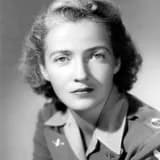
Around June 1940 she formally proposes to the Air Corps Plans Division that experienced women pilots be used as Army ferry pilots.
Around June 1, 1940, as war loomed in Europe and the United States began expanding its air capabilities, Nancy Harkness Love formally proposed to the Air Corps Plans Division, headed by Lt. Col. Robert Olds, that highly experienced women pilots be used as ferry pilots to move military aircraft from factories to bases.[9][12]
By 1940 Nancy had accumulated extensive professional flying experience: selling aircraft, working in the Bureau of Air Commerce’s Air Marking Program, and test piloting for Gwinn Aircar.[9] Recognizing the Army Air Corps’ growing need for qualified ferry pilots, she argued that women pilots meeting strict standards could safely and efficiently perform non‑combat ferrying duties, freeing male pilots for combat roles. At the time, the notion of women in any military flight role was widely dismissed.
Although the proposal was initially rejected, this initiative laid crucial conceptual groundwork for what would become the Women’s Auxiliary Ferrying Squadron (WAFS) and later the Women Airforce Service Pilots (WASP).[9][12] Nancy’s plan challenged entrenched gender barriers within the military, introducing the idea that women’s advanced technical skills could be integrated into operational structures rather than confined to civilian or decorative aviation.
Her 1940 proposal is historically significant because it predated America’s entry into World War II and anticipated the manpower shortages that would later force reconsideration of women’s roles. When the Army reversed course in 1942, Nancy’s earlier work and carefully compiled roster of qualified women provided the blueprint for recruiting and organizing the first women ferry pilots. The event highlights her strategic foresight and marks an early administrative step toward gender integration in U.S. military aviation.[9][12]