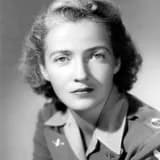
Around September 10, 1942 she is publicly announced as leader of the Women’s Auxiliary Ferrying Squadron (WAFS).
On or about September 10, 1942, just days after qualifying as the first woman pilot in the U.S. Army Air Forces, Nancy Harkness Love was publicly announced and effectively installed as leader of the newly formed Women’s Auxiliary Ferrying Squadron (WAFS).[9][10][11] This unit was organized within the Air Transport Command’s Ferrying Division to employ civilian women pilots in ferrying military aircraft.
The announcement signaled the Army’s acceptance of her long‑advocated plan to use elite women pilots for non‑combat ferry missions. Nancy immediately began recruiting from the small cadre of highly experienced women flyers she had identified—many with thousands of hours and commercial ratings—and set stringent standards for entry, far higher than those for male pilot trainees.[9] Under her leadership, the initial WAFS contingent of 28 women was based at New Castle Army Air Base in Delaware, soon expanding to additional squadrons.
This event represents a major first: the creation of a formal women’s military ferrying unit under a woman commander, making these pilots the first women to perform regular operational missions for the U.S. armed forces.[2][9] The public nature of the appointment brought national attention, challenging stereotypes about women’s physical and technical capabilities and reinforcing Nancy’s position as a central architect of the program.
The legacy of this announcement is profound. WAFS became the core around which the Women Airforce Service Pilots (WASP) organization was later built, and Nancy’s leadership model demonstrated that women could manage complex operational units within a military environment. Her appointment on or around September 10, 1942 marks the institutional birth of women’s military ferrying in the United States and a key turning point in the history of gender and the armed forces.[9][10][11]