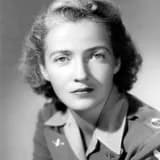
She is posthumously inducted into the Michigan Women’s Hall of Fame, honoring her WWII aviation leadership and Michigan roots.
Around October 1, 2011, Nancy Harkness Love was posthumously inducted into the Michigan Women’s Hall of Fame, recognizing her as one of the state’s most significant women for her contributions to aviation and the advancement of women pilots.[5] The Hall of Fame profile emphasizes her role in making women ferry pilots a reality during World War II and notes her birth in Houghton, Michigan.
Although the exact ceremony date is not readily available in public records, the induction year 2011 is well documented. This honor reflects regional pride in a native daughter whose impact reached national and international levels. It situates Nancy within Michigan’s broader history of women who broke professional and social barriers, from industry to public service.[5]
For women’s history, the induction highlights the importance of state and local institutions in preserving the stories of figures who may be less visible in national narratives. By foregrounding her early interest in flight—sparked by a barnstormer ride at age twelve—and her later leadership in WAFS and WASP, the Hall of Fame entry helps connect community memory to global wartime events.[5]
This recognition also underscores the long arc of remembrance: more than 35 years after her death, Michigan formally claimed Nancy Harkness Love as a key contributor to both aviation and women’s advancement. The approximate date used here reflects the lack of day‑level documentation while marking the year in which the honor was conferred. The induction adds another layer to her posthumous legacy, complementing national honors like the National Aviation Hall of Fame and reinforcing her status as a trailblazer whose roots lay in the Upper Peninsula of Michigan.