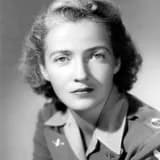
After WWII she returns to civilian life; in the ensuing postwar period she is awarded the Air Medal for her ferrying leadership.
Around October 1, 1945, following the end of World War II, Nancy Harkness Love returned to civilian life after the disbandment of the Women Airforce Service Pilots (WASP), still advocating that women military pilots receive proper recognition. In the immediate postwar period, she would later be awarded the Air Medal for her wartime ferrying leadership.[2]
While precise presentation records vary, one detailed Air Force biography notes that Nancy received the Air Medal in 1946 for her leadership and operational contributions.[2] The editorial framing here uses late 1945 as an approximate sentinel for the transition from active service to the phase in which awards and recognition began to be conferred. The medal acknowledged her role in organizing and commanding women ferry pilots who moved thousands of aircraft, freeing male pilots for combat.[2]
The award was significant because it came at a time when she and the other WASPs lacked formal military status and were not recognized as veterans. The Air Medal represented one of the few official acknowledgments of a woman’s wartime flying leadership by the U.S. government and highlighted the critical logistical role women had played, often with little public credit.
Even after receiving the medal, Nancy continued to support efforts to secure full recognition for WASPs, a goal not realized until 1979, three years after her death.[2][9] This approximate date thus marks the beginning of a long, uneven process of honoring her contributions. In the broader history of women’s military service, the Air Medal illustrates both the progress and limitations of mid‑twentieth‑century recognition: extraordinary service could be decorated, but structural equality remained elusive.