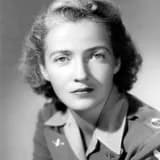
Death of Nancy Harkness Love from cancer at age 62, ending the life of a pioneering WWII military pilot and commander.
On October 22, 1976, Nancy Harkness Love died of cancer at age 62.[1][4][12] She had spent her later years largely outside the public eye, but her wartime record as a pioneering military pilot and commander remained a touchstone for women aviators. Some sources place her death in Massachusetts, while others note Florida connections; regardless of location, the date is consistently cited.[1][4]
Her death came just three years before the U.S. Congress finally granted veteran status to former Women Airforce Service Pilots, a recognition Nancy had long advocated but did not live to see.[2][9] The timing underscores the lag between women’s contributions and their institutional acknowledgment. Despite her leadership of more than 300 women ferry pilots and her unmatched record in flying high‑performance combat aircraft, she died without the formal benefits and honors accorded to male contemporaries.
In historical perspective, October 22, 1976 marks the end of a life that spanned the formative decades of aviation—from barnstorming and Lindbergh’s transatlantic crossing to the jet age. Her passing prompted renewed interest in documenting the WAFS and WASP story, leading to biographies, museum exhibits, and eventual hall‑of‑fame enshrinements that solidified her legacy.[1][9]
Her death date is now a focal point for commemorations that highlight both her achievements and the unfinished business of recognizing women’s military service. For scholars of women’s history, it delineates the boundary between lived experience and posthumous memory, reminding us that the struggle for equality often outlasts the lives of its key protagonists.