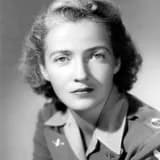
By fall 1942 she leads the WAFS, the first women pilots to fly operational missions for the U.S. Armed Forces.
Around October 1, 1942, in the early months of U.S. entry into World War II, Nancy Harkness Love formally took command of the Women’s Auxiliary Ferrying Squadron (WAFS), making it the first unit of women pilots to fly operational missions for the U.S. military.[2][9] As WAFS director within the Air Transport Command’s Ferrying Division, she oversaw recruiting, training standards, and assignment of missions.
Initially based at New Castle Army Air Base in Delaware, the WAFS under Nancy’s leadership were tasked with ferrying liaison and training aircraft from factories to operational fields, a vital logistical role as U.S. production ramped up. Nancy insisted on high entry requirements—often 500 or more flight hours and advanced ratings—to ensure that her women pilots could safely fly without the lengthy training pipeline given to male Army pilots.[9]
The appointment made WAFS the first women’s organization to conduct regular, scheduled flight operations for the U.S. armed forces, a genuine first in American military history.[2][9] At a time when many commanders were skeptical of women’s reliability in demanding technical roles, Nancy’s unit had to prove itself daily through flawless performance and strict adherence to safety.
Under her command, WAFS expanded into multiple squadrons and ultimately merged with Jacqueline Cochran’s Women’s Flying Training Detachment to form the Women Airforce Service Pilots (WASP), with Nancy retaining executive oversight of all ferrying squadrons.[2][9][10] Her role as WAFS leader demonstrated not only that women could fly military aircraft, but also that they could effectively command operational units. This event marks the institutionalization of women pilots in military logistics and laid the foundation for later integration of women into regular Air Force roles.