The first large-scale women's suffrage procession in Britain, organized by the NUWSS.
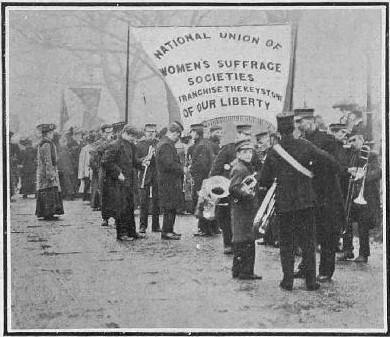
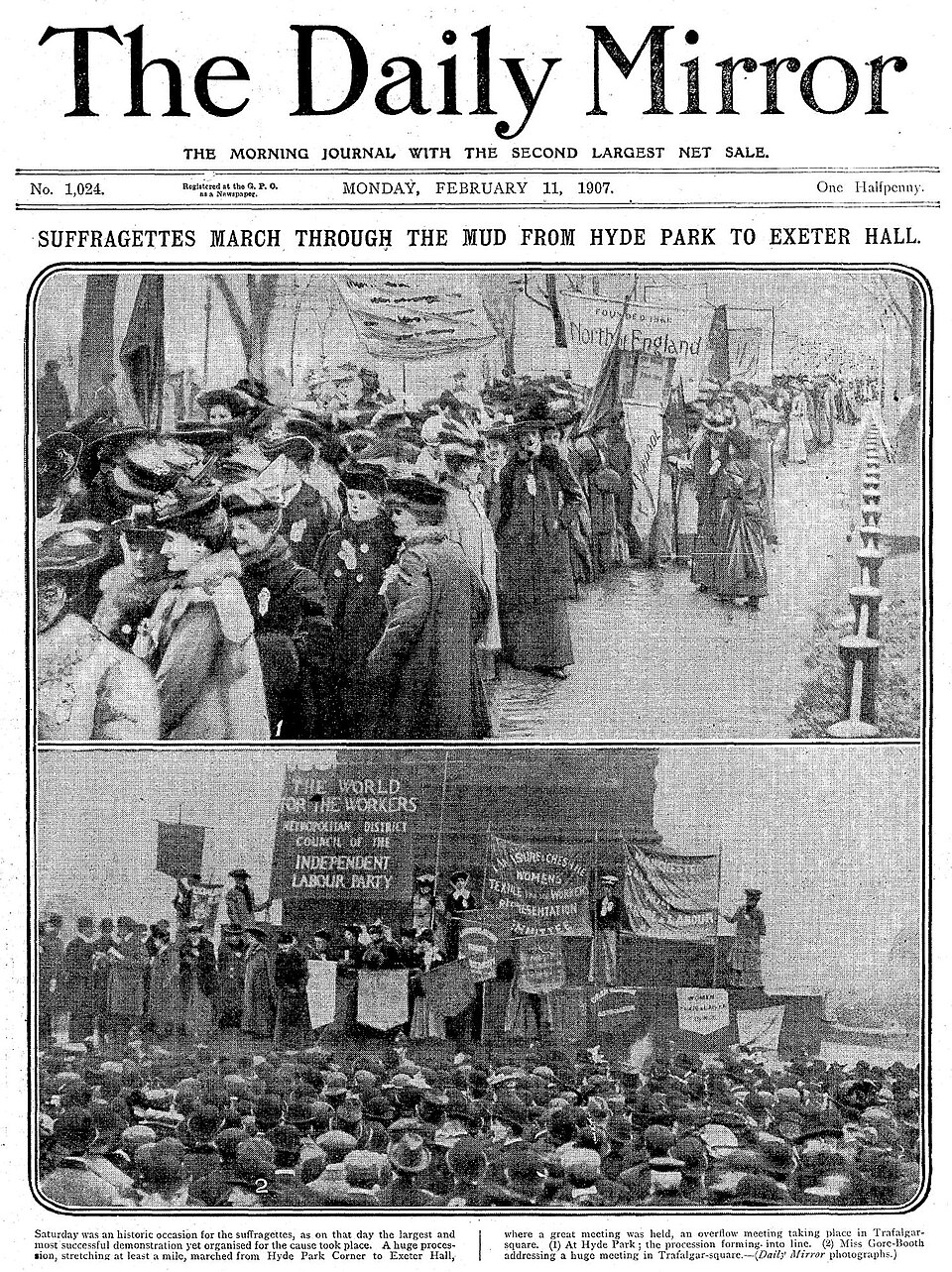
On February 9, 1907, the Mud March, formally known as the United Procession of Women, marked a turning point in the British suffrage movement. Organized by the National Union of Women's Suffrage Societies (NUWSS), it brought together over 3,000 women from diverse backgrounds to march from Hyde Park Corner to Exeter Hall in London, despite inclement weather and muddy conditions.
This was the largest public demonstration for women's suffrage in Britain to that date and laid the groundwork for future large-scale demonstrations. It underscored the movement's growing strength and unity, drawing significant public attention and media coverage, which further solidified the resolve of the suffragists to continue their fight for voting rights.
The March was significant not only for its size but also for establishing a template for future civil rights demonstrations, emphasizing peaceful procession and the power of numbers in influencing public opinion and political stances. The success of the Mud March was a testament to the tenacity and dedication of its organizers and participants and played a crucial role in the eventual enfranchisement of women in the UK.
Images