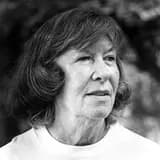
March 10, 1971: Van Duyn receives the National Book Award for Poetry for “To See, To Take,” cementing her status as a leading American poet.
On March 10, 1971, Mona Van Duyn was presented the National Book Award for Poetry for her collection To See, To Take.[2][3] This award, one of the most prominent literary honors in the United States, recognized the power and craft of a book that explored the complexities of marriage, family, and perception through formally adept, intellectually rich poems.
The National Book Award elevated Van Duyn’s national profile, firmly establishing her as a leading figure in contemporary poetry. For a woman poet working in a field where major prizes had long skewed toward male authors, this win had broader symbolic importance, demonstrating that a woman’s sustained engagement with domestic and relational themes could secure the highest critical recognition.[5][7]
Receiving the award in 1971 also connected Van Duyn to a generation of postwar writers reshaping American literature, and it helped ensure that To See, To Take would become a touchstone for readers and scholars.[4] The honor formed part of a sequence of major recognitions—Bollingen, National Book Award, Guggenheim Fellowship—that collectively underwrote her later influence as a teacher, editor, and, eventually, U.S. Poet Laureate. Historically, the March 10 ceremony stands as a key moment when her work entered the mainstream of American literary history.