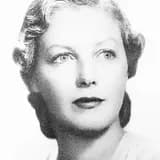
Mary Margaret Kaye was born in Simla, India, on 21 August 1908, into a family with deep roots in British colonial administration.
Mary Margaret Kaye was born on 21 August 1908 in Simla (Shimla), the summer capital of British India, into a family long associated with the subcontinent. Her father, Sir Cecil Kaye, was a senior intelligence officer in British India, and her grandfather had also served in India, giving her a lineage deeply embedded in the Anglo-Indian colonial world.
This birth in the heart of the Raj shaped her entire literary identity. Kaye spent much of her childhood shuttling between India and England, an experience of displacement and dual belonging that would later become the emotional and thematic core of her fiction, most famously in The Far Pavilions (1978).
Her early exposure to Indian landscapes, languages, customs, and the complex social hierarchies of colonial society gave her source material that few Western novelists of her generation could claim with such intimacy. She would later describe her childhood in India as idyllic, and it instilled in her a lifelong fascination with the country that she carried into her writing career, which spanned children's books, mystery novels, and ultimately the sweeping historical romances for which she became internationally celebrated.
Her birth in Simla is historically significant as the starting point of a life that would bridge two cultures during the twilight and aftermath of the British Empire, producing a body of work that continues to shape popular understanding of colonial India.