← All women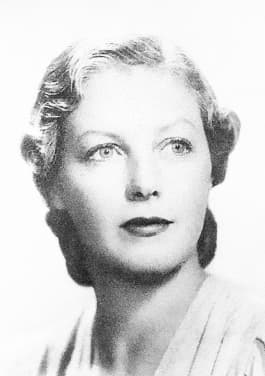
British · Literature
MM Kaye
August 21, 1908 – January 29, 2004
Early Life and Background
Mary Margaret Kaye, known as M. M. Kaye, was born on August 21, 1908, in Simla, British India. She was the daughter of Sir Cecil Kaye, an officer in the Indian Army, and his wife, who was part of the British colonial administration. This environment exposed young Kaye to the cultural tapestry of British India, a recurring theme in her later works. She spent her early years traveling around the Indian subcontinent, which deeply influenced her understanding of and empathy towards Indian culture and landscapes.
Career Beginnings and Development
Kaye began her writing career with children's books and mysteries before turning to historical fiction. Her experiences living in various parts of India provided her with rich backdrops for her storytelling. Her first novel, "Six Bars at Seven", was published in 1937, marking the beginning of her prolific writing journey. During World War II, she worked in various capacities, including as a censors’ assistant, which honed her writing and analytical skills.
Major Works and Accomplishments
Her most celebrated work, "The Far Pavilions" (1978), is a five-part epic novel that offers a vivid portrayal of the British Raj in India, echoing the grandeur and complexity of the period. The novel was heralded for its depth of research and storytelling finesse, becoming an international bestseller and later adapted into a miniseries. Kaye also authored “Shadow of the Moon” and "Trade Wind", further establishing herself as a prominent writer of historical fiction.
Awards and Recognition
M. M. Kaye’s novels have been widely acclaimed for their intricate plots and rich historical detail. "The Far Pavilions" earned her a nomination for the prestigious Booker Prize, placing her among the notable literary figures of her time. Her work continues to be celebrated for its insightful portrayal of colonial India and its narrative depth.
Personal Life
Kaye's personal life was as colorful as her books. In 1945, she married Major Goff Hamilton, a British Army officer. The couple had two daughters. Their life together involved numerous relocations across continents due to Hamilton's military postings, providing Kaye with varied experiences that enriched her writing palette.
Legacy and Historical Impact
M. M. Kaye significantly impacted the literary world with her evocative depictions of colonial India. Her novels remain a touchstone for historical fiction enthusiasts, offering perspectives on British-Indian history and relationships. Her legacy endures through her ability to capture and convey the essence of a bygone era with compassion and narrative skill.
Later Life and Death
In her later years, Kaye returned to England, continuing to write and reflect on her experiences. She authored a memoir "The Sun in the Morning", further exploring her connection to India. M. M. Kaye passed away on January 29, 2004, in Lavenham, Suffolk, leaving behind a rich literary heritage that continues to captivate readers worldwide.
Dated achievements
2 indexed.
- Aug211908Literature
Born in Simla, British India
Mary Margaret Kaye was born in Simla, India, on 21 August 1908, into a family with deep roots in British colonial administration.
View details M. M. Kaye - Wikipedia - Jan292004Literature
Died in Lavenham, Suffolk, England
M. M. Kaye died on 29 January 2004 in Lavenham, Suffolk, England, at the age of 95, after a long and celebrated literary career.