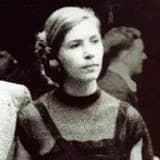
Parent was among the signatories of Refus Global, the radical 1948 manifesto that challenged Quebec's conservative religious and artistic establishment.
On August 9, 1948 (the manifesto's publication date, with related events and signings occurring around this period), a group of Quebec artists led by Paul-Émile Borduas published Refus Global ('Total Refusal'), a manifesto that violently rejected the conservative, church-dominated culture of Quebec and called for artistic and social liberation. Mimi Parent was one of the signatories, aligning herself with the Automatiste movement even as her own artistic path would soon diverge toward Surrealism.
This act was significant because it placed a young woman artist at the center of one of the most consequential cultural rebellions in Canadian history — one that presaged the Quiet Revolution in Quebec. The manifesto's authors, including Borduas, were condemned by church and state; Borduas himself lost his teaching position as a result.
For Parent, association with this radical document marked her as an artist unafraid to challenge entrenched institutions, foreshadowing her later embrace of Surrealism's own rejection of bourgeois convention. It also cemented her place in Quebec art history as part of a generational shift that opened space for experimental and non-conformist art practices, including those created by women, who had been historically marginalized in the province's cultural life.