← All women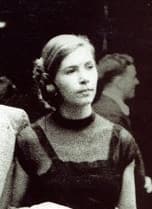
Canadian · Arts
Mimi Parent
September 8, 1924 – June 13, 2005
Early Life and Background
Mimi Parent, born Marie Parent on September 8, 1924, in Montreal, Canada, grew up in a culturally rich environment. She was the daughter of renowned architect Lucien Parent. Inspired by her upbringing and her family's engagement with the arts, Mimi pursued a path in creative expression. She attended the École des beaux-arts de Montréal, where she studied under mentors who were instrumental in shaping her unique visual vocabulary.
Career Beginnings and Development
Mimi’s career began in earnest when she moved to Paris in 1947 alongside fellow students and her soon-to-be husband, Jean Benoît, a sculptor and fellow surrealist. Paris was a hub for surrealism post-World War II, and Parent immersed herself in the vibrant artistic community. She joined the Surrealist group led by André Breton, where her work started gaining recognition for its depth and inventiveness.
Major Works and Accomplishments
During her time in Paris, Parent developed a distinctive style characterized by meticulous assemblages—three-dimensional art that combines objects with painting. Her debut exhibition was received with critical acclaim, establishing her as a formidable force in the new wave of surrealist artists. Notable works include her series of boxes, which utilized found objects to explore themes of identity and subconscious thought.
Awards, Honors, and Recognition
Though initial recognition came through her exhibitions, Parent's contributions to surrealism gained her praise from leading figures in the art world. Her works were showcased in numerous prestigious exhibitions across Europe and North America, strengthening her reputation as a pioneer in her field. She was celebrated in particular for her role in blending surrealism into modern art forms.
Personal Life
Mimi Parent’s personal and professional life were deeply intertwined, most notably through her marriage to Jean Benoît in 1948. Together, they were key figures in the surrealist community, often collaborating and hosting gatherings that furthered the movement's influence in the mid-20th century. The couple did not have children, dedicating their lives to art.
Legacy and Historical Impact
Parent’s work significantly impacted the trajectory of contemporary art by challenging traditional boundaries and promoting the surrealist ideology of melding unconscious realities with artistry. Her techniques have inspired a new generation of artists and continue to evoke discussions on the evolution of art and feminism. Her legacy remains robust in art collections worldwide, with institutions preserving her assemblages for public and scholarly study.
Later Life and Death
In her later years, Parent continued to create art and participate in exhibitions, albeit with reduced intensity. She spent her final years in Switzerland, remaining active in the art community until her death on June 13, 2005. Despite facing the challenges associated with aging, she remained committed to her art, leaving behind a powerful, enduring influence on contemporary art and surrealism.
Dated achievements
3 indexed.
- Sep221924Arts
Birth of Mimi Parent in Montreal
Mimi Parent, Canadian Surrealist painter and sculptor, was born in Montreal, Quebec, on September 22, 1924.
View details Mimi Parent - Wikipedia - Nov101948Arts
Signatory of the Refus Global Manifesto
Parent was among the signatories of Refus Global, the radical 1948 manifesto that challenged Quebec's conservative religious and artistic establishment.