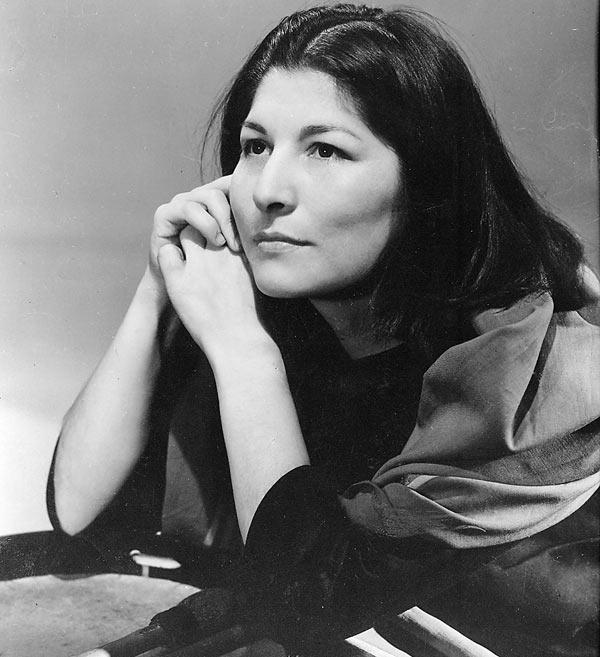
Haydée Mercedes Sosa was born in San Miguel de Tucumán, Argentina, into a working-class family of mixed Indigenous and Spanish descent.
Haydée Mercedes Sosa was born on July 9, 1935, in the northern Argentine province of Tucumán, in a working-class neighborhood of San Miguel de Tucumán. Her father, Ernesto Sosa, worked as a sugarcane cutter, and her mother, Ana Ledesma, was a washerwoman. The family had partial Diaguita indigenous ancestry, a heritage that Sosa would later embrace as central to her identity and artistic mission.
Growing up in a modest household in a region historically marked by economic disparity and rich folkloric tradition, Sosa was immersed early in the sounds of Argentine and Andean folk music. Tucumán's cultural landscape, steeped in indigenous and criollo traditions, deeply shaped her future artistic direction.
Her birth date is historically significant beyond the personal: July 9 coincides with Argentina's Independence Day, a coincidence often noted in tributes to her as a symbolic patriotic figure whose life and voice would come to represent the struggles and resilience of the Argentine people, especially the poor and indigenous populations of the interior provinces, often overlooked by the political and cultural elites centered in Buenos Aires.
Images