← All women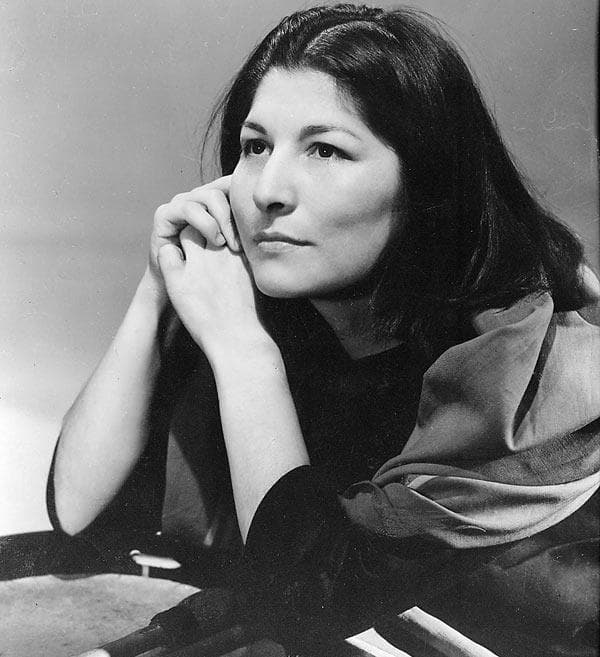
Argentinian · Arts · Activism
Mercedes Sosa
July 9, 1935 – October 4, 2009
Early Life and Background
Mercedes Sosa was born on July 9, 1935, in San Miguel de Tucumán, Argentina, to a working-class family. Her early environment was imbued with folk traditions and local music, setting the stage for a life intertwined with cultural expression. Sosa was exposed to a vibrant tapestry of musical styles, which deeply influenced her career.
Career Beginnings and Development
Her rise to prominence began in the mid-1950s when she co-founded the "Movimiento del Nuevo Cancionero," a music movement aimed at preserving folk music while addressing socio-political issues. In 1965, her career took a pivotal turn with the release of her album "Canciones con Fundamento."
Major Works and Accomplishments
Mercedes Sosa became internationally recognized in the 1970s, a period marked by the release of critically acclaimed albums such as "Mujeres Argentinas" and "Cantata Sudamericana." Her rendition of "Gracias a la Vida," a song by Violeta Parra, is widely regarded as one of the definitive interpretations. Her work not only celebrated Latin American culture but also confronted authoritarian regimes in South America.
Awards, Honors, and Recognition
Throughout her career, Sosa received numerous accolades, including multiple Latin Grammy Awards. She was often celebrated for her role as a cultural ambassador and her contribution to the advocacy for human rights and democracy.
Personal Life
Mercedes Sosa's personal life was marked by her activism. Her marriage to Manuel Oscar Matus played a significant role in her early musical explorations. She faced exile during Argentina's Dirty War due to her outspoken political stance.
Legacy and Historical Impact
Mercedes Sosa's legacy is profound, influencing generations of artists and activists. She is often referred to as "La Negra," a testament to her enduring presence in the cultural conscience of Latin America. Her music continues to inspire movements for social change and remains a powerful symbol of resilience and hope.
Later Life and Death
In her later years, Sosa continued to perform and record, maintaining her status as an icon until her passing on October 4, 2009, in Buenos Aires. Her death marked the end of an era, but her music lives on as a timeless emblem of resistance and solidarity.
Dated achievements
2 indexed.
- Jul091935Science
Birth of Mercedes Sosa in Tucumán, Argentina
Haydée Mercedes Sosa was born in San Miguel de Tucumán, Argentina, into a working-class family of mixed Indigenous and Spanish descent.
View details Mercedes Sosa - Wikipedia - Oct042009Science
Death of Mercedes Sosa in Buenos Aires
Mercedes Sosa died on October 4, 2009, in Buenos Aires at age 74 after multiple organ failure, following years of health struggles.