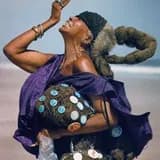
Virginia’s United Land Trusts profiled MaVynee Betsch on Feb 18, 2021 in its "Conservationists of Color" Black History Month feature.
On February 18, 2021, Virginia’s United Land Trusts released a Black History Month "Conservationists of Color" feature profiling MaVynee Oshun Betsch.[3][14] The profile portrayed her as a former international opera singer who redirected her life toward environmental activism, using every available resource—including a sizable inheritance—to protect American Beach on Amelia Island.[1][7][12][14]
The feature emphasized Betsch’s strategy of living directly on the beach she fought to protect, greeting visitors, sharing oral histories of Jim Crow segregation, and explaining the ecological importance of the dunes and coastal habitats.[10][12][14] In highlighting her story during Black History Month, the land‑trust community acknowledged how Black women’s conservation work has often combined cultural preservation, land stewardship, and social justice long before “environmental justice” became a widely used term.
This recognition in a multi‑state land‑trust network extended Betsch’s legacy beyond Florida, positioning her as a model for conservation organizations seeking to engage communities of color and honor historically Black landscapes. It also documented her practice of giving away nearly all of her substantial fortune to environmental organizations, including lifetime memberships in multiple groups, as an example of philanthropy rooted in lived experience and moral conviction rather than institutional wealth.[1][10][12]
The 2021 profile contributes to the historical record by framing Betsch explicitly as a "conservationist of color," situating her within a broader lineage of Black and Brown environmental advocates who have shaped land‑protection outcomes despite limited formal recognition. For women’s‑history scholarship, it underscores how Betsch’s life bridged art, activism, and land conservation, challenging narrow definitions of both environmental work and Black leadership.