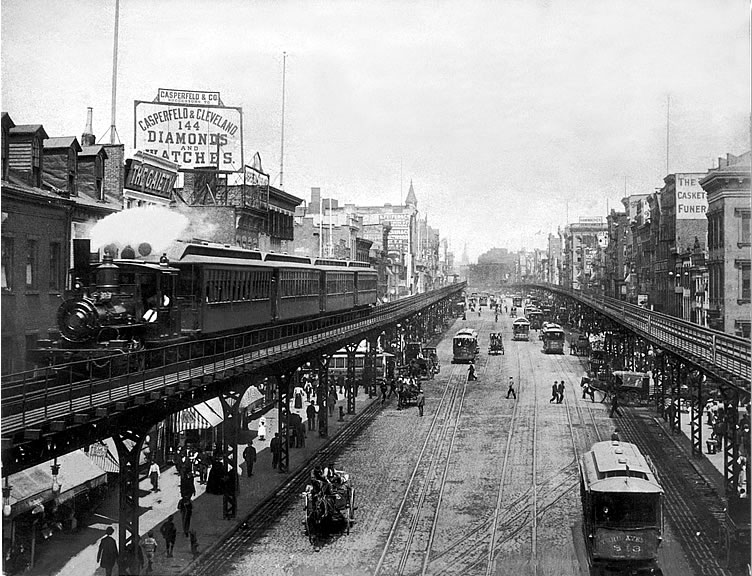
Mary Walton received US Patent 221,880 for a system that deflected locomotive chimney emissions through water, trapping sparks, ash, and gases.
On November 18, 1879, Mary Walton was granted U.S. Patent No. 221,880, titled 'Improvement in Locomotive and Other Chimneys,' for an invention she had filed just weeks earlier on October 6, 1879. Her design redirected the exhaust from locomotive smokestacks through a system of pipes into tanks of water, where sparks, ash, and much of the noxious gas were captured and neutralized before the remaining emissions vented into the atmosphere.
This was a remarkably early attempt at industrial air-pollution control, conceived decades before environmental regulation existed as a concept. Walton reportedly tested her device using a working model on tracks near her own home, observing the emissions firsthand to refine her design. Her invention functioned as a rudimentary precursor to the modern wet scrubber, technology that remains fundamental to industrial emissions control to this day.
At a time when women were rarely credited as inventors — and often barred from formal engineering education or professional recognition — Walton's success in securing a federal patent for a technically sophisticated mechanical system was extraordinary. She later sold rights to railroad companies seeking to reduce the environmental and civic complaints caused by smoke-belching engines passing through crowded cities. Her achievement stands among the first patented pollution-control devices in American industrial history, cementing her legacy as a pioneering environmental inventor generations ahead of her time.
Images