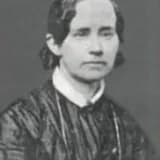
Mary Peabody married education reformer Horace Mann, becoming a lifelong partner in his educational reform work.
On May 1, 1843, Mary Tyler Peabody married Horace Mann, the pioneering American education reformer often called the 'Father of American Public Education.' The couple had first met years earlier, and Mary had waited a long time for the widowed Mann, who had lost his first wife, to be ready to remarry.
Following their wedding, the couple embarked on an extended trip to Europe, during which they studied educational systems and institutions for people with disabilities, information that Horace would use to further his reform agenda in Massachusetts. Mary was far more than a passive spouse; she actively supported, edited, and contributed to Horace's writings and reports, serving as a true intellectual partner in his mission to establish universal, tax-supported public education in the United States.
Their marriage placed Mary at the center of one of the most significant social reform movements of 19th-century America. After Horace's death in 1859, Mary continued his legacy by editing and publishing his biography and collected works, ensuring his educational philosophies remained influential for generations. The marriage exemplifies the vital, often under-recognized, intellectual partnerships between reform-era spouses, where women's contributions were frequently folded into their husbands' public legacies.