← All women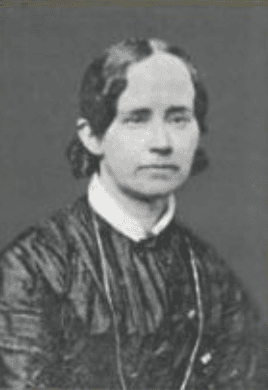
American · Literature · Activism
Mary Tyler Peabody Mann
November 16, 1806 – February 11, 1887
Early Life and Background
Mary Tyler Peabody Mann was born on November 16, 1806, in Cambridge, Massachusetts. She was the fourth child of Dr. Nathaniel Peabody and Elizabeth Palmer Peabody. Growing up in an intellectually stimulating environment, Mary received a robust education, which laid the groundwork for her future endeavors in literature and education.
Mary's family was deeply involved in the transcendentalist and educational reform movements of the time. Her sisters, Elizabeth Peabody and Sophia Peabody Hawthorne, were also prominent figures, with Elizabeth being a leading educator and Sophia marrying writer Nathaniel Hawthorne. This background influenced Mary's pursuits in education and literature.
Career Beginnings and Development
Mary Tyler began her career as an educator, working along with her sisters in various educational settings. She was heavily influenced by the transcendentalist movement, particularly its emphasis on individuality and self-reliance in education. Her involvement in these circles led to her introduction to Horace Mann, a pioneering educational reformer.
Mary's literary work began to take shape as she balanced teaching with writing. She contributed articles to various journals and newspapers, addressing issues of educational reform and advocating for improved teaching methodologies.
Major Works and Accomplishments
During Mary Peabody's marriage to Horace Mann, she played a pivotal role in his educational reform initiatives, editing and assisting in drafting his speeches and writings. After Horace's death in 1859, Mary worked diligently to preserve and expand his legacy. She penned a significant biography of Horace Mann, which was both a personal tribute and a professional documentation of his educational philosophies and achievements.
Mary also authored several children’s books and other works, including Juanita: A Romance of Real Life in Cuba Fifty Years Ago, which highlighted her literary prowess and commitment to social issues.
Personal Life
Mary Peabody married Horace Mann in 1843, and together they had three sons. Their marriage was both a partnership in life and work, as Mary contributed significantly to Horace's mission of educational reform. They shared a vision of improving public education as a means to uplift society.
Legacy and Historical Impact
Mary Tyler Peabody Mann's contributions to literature and education were significant in her advocacy for educational reform and women's issues. Her writings and support for her husband's work helped lay the foundation for a public education system that valued ethical teaching and rigorous, individualized attention to student needs.
Her efforts in writing about Horace Mann's work have aided historians and educators in understanding the development of public education in America. Additionally, her own literary works have been recognized for their thoughtful exploration of societal issues and enduring social values.
Later Life and Death
Mary continued her writing and advocacy activities well into her later life, contributing articles to various publications. She passed away on February 11, 1887, leaving behind a legacy of educational and literary contributions that influenced the generations that followed.
Dated achievements
3 indexed.
- Nov161806Science
Birth of Mary Tyler Peabody
Mary Tyler Peabody was born in Cambridge, Massachusetts, the second of the three literary Peabody sisters.
View details Mary Tyler Peabody Mann - Wikipedia - May011843Science
Marriage to Horace Mann
Mary Peabody married education reformer Horace Mann, becoming a lifelong partner in his educational reform work.