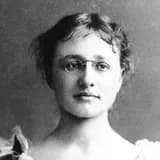
Mary Parker Follett died on December 18, 1933, in Boston, Massachusetts, leaving a legacy as a pioneer of modern management theory and community organizing.
Mary Parker Follett died on December 18, 1933, in Boston, Massachusetts, at the age of 65. At the time of her death, her groundbreaking work on organizational behavior, conflict resolution, and participative management had gained significant recognition in business and academic circles, particularly following her influential lectures and writings in the late 1920s and early 1930s.
Follett's death came before the full impact of her ideas would be realized. Her concepts—including integrative conflict resolution, the exercise of 'power with' rather than 'power over,' and the importance of dynamic, reciprocal relationships within organizations—would go largely underappreciated in the United States for decades after her passing, even as they profoundly influenced management thinkers in Japan and Europe, including pioneers of the Human Relations Movement.
It was not until later in the twentieth century that scholars and business leaders rediscovered and championed her work, recognizing her as a foundational figure in modern management theory—decades ahead of her time. Peter Drucker, the father of modern management, would later call her ideas remarkably prescient. Her legacy endures through her seminal works, including The New State (1918) and Creative Experience (1924), as well as through the many essays and lectures she delivered to business leaders that were posthumously collected and published, cementing her reputation as one of the most important, if underrecognized, social theorists and management philosophers of her era.